
The Pros and Cons of Starlink Internet Service
Starlink offers impressive speeds for rural areas and limited connectivity zones, but remote workers should note the sporadic brief interruptions that can disrupt video calls. As a backup ISP with affordable standby service, it provides excellent business continuity for small operations.
As technology consultants, we're often asked about emerging internet solutions for businesses and remote workers. Starlink, SpaceX's satellite internet service, has generated significant buzz as a potential game-changer for connectivity. After personal experience with the service, I'd like to share some real-world insights into where Starlink excels and where it falls short.
Finally: High-Speed Internet Where Cable Can't Reach
Starlink shines brightest in scenarios where traditional internet options are limited or inadequate. For those stuck with sluggish DSL connections, inconsistent fringe 5G coverage, or living in rural areas where cable internet simply isn't available, Starlink can be transformative. The service delivers speeds that would have seemed impossible via satellite just a few years ago, making activities like streaming, video conferencing, and cloud-based work genuinely feasible.
From a consumer reliability standpoint, Starlink performs admirably. For everyday internet use, browsing, streaming entertainment, gaming, and general online activities, the service provides a consistent experience that rivals terrestrial options. The installation is straightforward, and once operational, the system requires minimal maintenance or technical knowledge to keep running.
The Catch: Those Annoying Micro-Outages
However, there's an important caveat for professionals working from home or businesses considering Starlink as their primary connection: even under ideal conditions with a completely unobstructed view of the northern sky, brief service interruptions occur sporadically throughout the day.
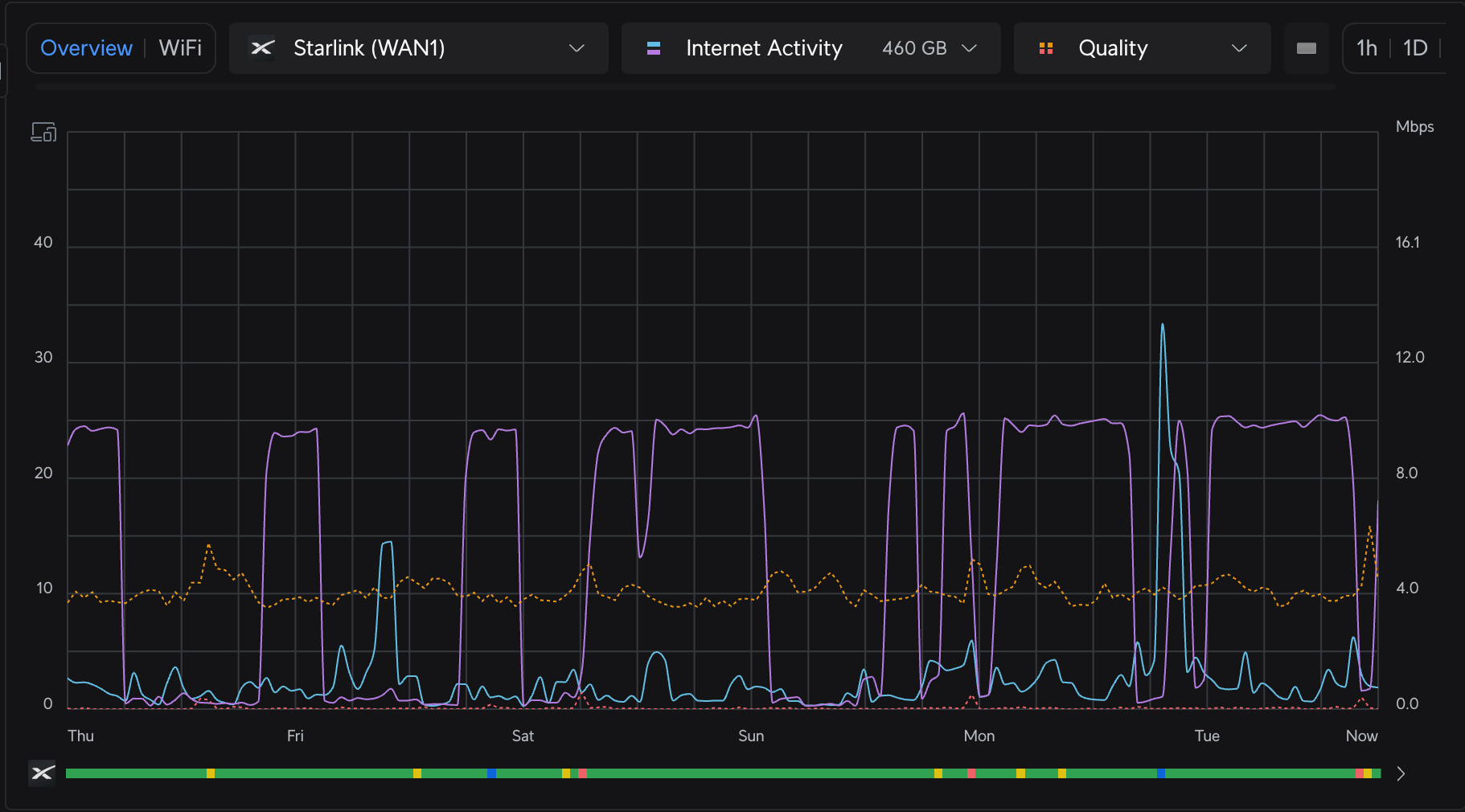
These interruptions are typically short, lasting anywhere from a few seconds to a couple of minutes, and many casual users won't even notice them. Your Netflix stream might buffer momentarily, or a webpage might take an extra second to load. But for remote workers, these micro-outages become problematic. Zoom calls can freeze or disconnect unexpectedly. Cloud-based applications may time out. VPN connections can drop, interrupting your workflow.
These aren't deal-breakers for everyone, but they're worth understanding before committing to Starlink as your work-from-home solution. If your livelihood depends on uninterrupted video conferencing or real-time access to web-based tools, these sporadic disruptions can range from mildly annoying to genuinely disruptive.
The Backup Plan That Actually Makes Sense
One of Starlink's most compelling applications for small businesses is as a backup internet service. Starlink currently offers an affordable standby option that addresses a critical business need: continuity during primary ISP outages.
The standby service is particularly clever in its implementation. When your primary connection goes down, you can reactivate full Starlink service quickly and easily, often within minutes. Even while in standby mode, the system maintains very basic internet connectivity, which can be invaluable for checking service status, communicating with your ISP, or sending critical emails during an outage.
For small businesses that can't afford extended downtime, think e-commerce operations, remote support teams, or any business heavily dependent on cloud services, maintaining a traditional backup ISP can be prohibitively expensive. Starlink's standby pricing makes redundancy accessible to businesses that previously had to simply accept the risk of connectivity loss.
This backup approach also sidesteps the primary limitation we discussed earlier. Those sporadic brief interruptions that can disrupt professional video calls become far less concerning when Starlink is serving as your emergency failover rather than your primary connection. It's a use case that plays to Starlink's strengths while working around its weaknesses.
So, Is Starlink Right for You?
Starlink represents a significant technological achievement and fills a crucial gap in the connectivity landscape. For rural residents, recreational vehicle travelers, or anyone lacking access to quality terrestrial internet, it's often the best, or only, viable option. The service is reliable enough for most consumer applications and continues to improve as the satellite constellation expands.
As a business continuity solution, Starlink offers an affordable and practical backup option that can prevent costly downtime. The standby service provides peace of mind without breaking the budget, a rare combination in the world of redundant internet connections.
However, professionals should approach Starlink with clear expectations when considering it as a primary connection. It may work perfectly well for your specific work requirements, but if your job demands rock-solid connectivity without any interruptions, and you have access to fiber or cable internet, those remain more dependable choices for mission-critical work.
As with any technology decision, the right choice depends on your specific needs, location, and alternatives. Starlink isn't perfect, but for many users in underserved areas, it's nothing short of revolutionary.

Get help with your networking.
We offer affordable solutions tailored for small businesses.
Book a free 20-minute consultation.